

The monsoon season brings relief from the summer heat. However the increased humidity, sweat, pollution and frequent rain can make your skin feel oily, sticky or irritated. You may also experience acne, fungal infections, clogged pores and rashes during this season.
Dr. Zainab Safderi, best dermatologist in Indore, believes that following a consistent monsoon skincare routine can help maintain healthy fresh-looking skin without overloading it with products.
The right approach is to balance oil control with hydration and barrier protection. You do not need to change every product, instead make seasonal adjustments and observe how your monsoon skin care routine works for your skin over several days.
Why do you need to Change your Routine in Monsoon?
Monsoon Skincare Tips
1. Cleanse Your Face Twice a Day
- You should use a cleanser in the morning and at night to remove sweat, excess oil, sunscreen and dirt from your skin.
- Cleansing often or using harsh soaps may disturb the skin barrier and increase dryness or irritation.
- Choose a cleanser according to your skin type. Wash with lukewarm water instead of very hot water for your monsoon skin care.
2. Avoid Heavy and Greasy Products
- Thick creams and oily makeup can feel uncomfortable in weather and may contribute to clogged pores in acne-prone skin.
- Replace them with non-comedogenic and water-based formulas for your monsoon skin care routine.
- A simple routine with a cleanser, moisturiser and sunscreen is often enough for monsoon skin care.
3. Never Skip Moisturiser
- When your skin feels oily, it still needs hydration.
- Skipping moisturiser may leave your skin dry. Encourage it to produce more oil.
- Use a gel or lotion-based moisturiser after cleansing for your monsoon skin care.
- Applying moisturiser while your skin is slightly damp can also help retain hydration.
4. Apply Sunscreen Every Day
- Cloudy skies do not mean that sun protection can be ignored.
- Apply a spectrum water-resistant sunscreen with SPF 30 or higher to exposed skin before stepping outdoors.
- Reapply it every two hours. After heavy sweating or getting wet for your monsoon skin care routine.
- Sunscreen supports protection against sunburn, premature ageing and uneven pigmentation.
5. Keep Your Skin Dry After Getting Wet
- Remaining in wet clothes, socks or shoes for a long time creates a warm and damp environment in which fungal infections may develop.
- Change out of clothing as soon as possible and dry your skin carefully especially between the toes under the breasts in the groin and within other skin folds for your monsoon skin care.
6. Choose Breathable Clothing
- Wear clean and breathable clothes during the rainy season.
- Cotton and moisture-wicking fabrics can reduce sweat buildup and friction.
- Tight synthetic clothing may trap moisture. Contribute to itching, body acne or folliculitis particularly in areas that rub during movement.
7. Be Careful With Exfoliation
- Exfoliation can help remove skin cells but excessive scrubbing may cause redness, sensitivity and small breaks in the skin barrier.
- Avoid rough scrubs especially if your skin is already irritated or acne-prone.
- Use an exfoliating product only as advised for your skin type and stop if it stings or burns.
8. Keep Makeup Light and Clean
- Heavy long-wear makeup may mix with sweat and oil during humid weather. Avoid heavy makeup in humid weather.
- Choose lightweight, non-comedogenic products. Remove makeup before sleeping.
- Clean makeup. Wash your sponges regularly and never share them.
Dr. Zainab Safderi recommends reviewing products if breakouts repeatedly appear after makeup use.
9. Avoid Touching or Picking Your Face
- Hands frequently carry dirt, sweat and germs. Touching your face repeatedly or squeezing pimples can worsen inflammation and may also increase the risk of marks.
- Keep your hands clean, avoid picking acne and gently blot sweat with a clean tissue instead of rubbing your skin.
10. Seek Help for Persistent Skin Problems
- Do not self-medicate recurring rashes, fungal infections, severe itching or painful acne, with creams.
- Some combination creams may temporarily reduce redness while allowing an infection to worsen.
Consult a good dermatologist near you if symptoms spread, return repeatedly or do not improve with monsoon skin care.
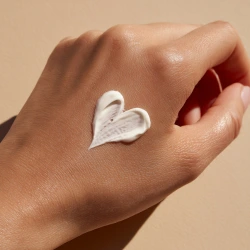
Healthy monsoon skin does not require a routine. Gentle cleansing, lightweight hydration, daily sunscreen, breathable clothing and proper drying can make a difference.
Conclusion
Monsoon skin care does not need to be complicated. A simple routine that includes gentle cleansing, lightweight moisturising, daily sunscreen and proper hygiene can help protect your skin from excess oil, acne, irritation and fungal infections. Dr. Zainab Safderi, best skin doctor in Indore, advises choosing products according to your skin type and avoiding unnecessary experimentation during humid weather. With consistent care and timely professional guidance, your skin can stay healthy, comfortable and naturally glowing throughout the rainy season.