
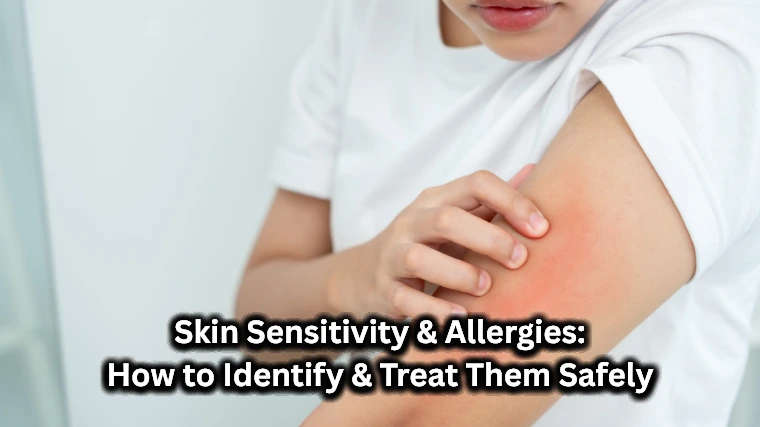
Skin sensitivity & allergies are really problems nowadays. Lots of people get itching, redness, dryness, burning sensations or rashes after using skin care products, cosmetics, soaps, perfumes or because of weather changes. Sometimes the reaction is mild. In some cases it can become severe and uncomfortable.
According to Dr. Zainab Safderi, best doctor for skin treatments in Indore, it is very important to understand the difference between sensitivity and allergies because they can look similar. Both sensitivity and allergies need care and treatment. If you ignore the signs it can make sensitivity and skin allergies worse and damage your skin over time.
What is Skin Sensitivity?
Skin sensitivity is when your skin reacts easily to products or changes in the environment. People with sensitive skin often feel discomfort after using skin care products that have chemicals, fragrances or harsh ingredients.
Common signs of sensitivity include:
- Redness
- Dryness
- Burning sensation
- Tightness
- Itching
- Bumps or irritation
Sensitive skin can also react to sunlight, pollution, stress and extreme temperatures.
What are Skin Allergies?
Skin allergies happen when your immune system reacts to something that irritates your skin. The reaction may happen immediately after a few hours or even days.
Some common causes of skin allergies include:
- Skin care products
- Hair dyes
- Artificial fragrances
- Certain fabrics
- Metal jewelry
- Dust or pollution
- Medicines
- Food allergies
- Detergents and soaps
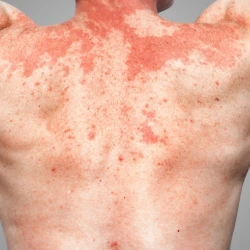
Skin allergy may appear as patches, swelling, itching, hives or painful rashes. These reactions can become very uncomfortable if not treated properly.
Symptoms of Skin Sensitivity & Allergies
Many people ignore skin reactions thinking they will go away on their own. Repeated irritation can weaken your skin barrier and make your skin more sensitive over time. You should visit a skin specialist if you notice itching, skin peeling, red patches that spread, frequent rashes swelling on the face or neck burning sensation after applying products or extremely dry or flaky skin. Getting treatment early can help prevent complications and keep your skin healthy.
Difference between Allergy & Sensitivity
Sensitivity usually happens because the skin barrier becomes weak and reacts to irritation. On the other hand skin allergies involve the immune system reacting to a specific trigger. For example if a skin care product causes burning or dryness it may be sensitivity. If it causes swelling, severe itching or rashes it may be a skin allergy. Understanding this difference is important for treatment of sensitivity and allergies.
Cause Behind Your Skin Irritation
Sometimes people continue using products that are harming their skin without realizing it. Simple ways to identify triggers include observing how your skin reacts to products, noticing if irritation starts after using a cream, face wash, sunscreen or makeup product, doing a patch test before applying products to your face or body keeping your skin care routine simple and checking ingredient labels carefully. Try to avoid products that have alcohol, artificial fragrance, parabens or harsh exfoliants especially if your skin reacts easily to skin care products.
Treatment for Sensitivity & Allergies
Treatment depends on the severity of the condition and the cause behind it. Some helpful treatment tips include:
• Use fragrance-free skin care products
• Choose dermatologist-approved products
• Moisturize regularly to repair the skin barrier
• Avoid scratching the affected area
• Protect your skin from sunlight with sunscreen
• Scratching can worsen redness and may lead to infection or pigmentation
• Mild cases may improve with proper skin care
• Severe or long-lasting symptoms may need medical treatment
• A dermatologist may recommend soothing creams, anti-allergy medicines, or specialized skin care guidance based on your skin condition
How to Prevent Skin Reactions and Sensitivity
To prevent skin reactions, it is always better to follow healthy skin care habits. These simple steps can help reduce sensitivity and allergic flare-ups:
• Always patch test new skin care products
• Avoid over-exfoliating your skin
• Drink enough water to keep your skin hydrated
• Follow a gentle skin care routine
• Wash makeup brushes regularly
• Avoid using expired skin care or makeup products
• Use gentle cleansers instead of harsh soaps
• Manage stress levels properly, as stress can also trigger skin reactions and sensitivity
• Protect your skin from common irritants and allergens
By following these habits, you can significantly reduce the chances of sensitivity and allergic flare-ups.
When should you consult a dermatologist?
If your skin irritation keeps returning and over-the-counter products are not helping it is important to consult a dermatologist. A skin specialist can identify hidden causes and help prevent long-term skin damage. Dr. Zainab Safderi, best dermatologist in Indore, believes that every skin type is different and treatment should always be personalized. With the right skin care routine and medical guidance, skin sensitivity and skin allergies can be managed safely and effectively.