
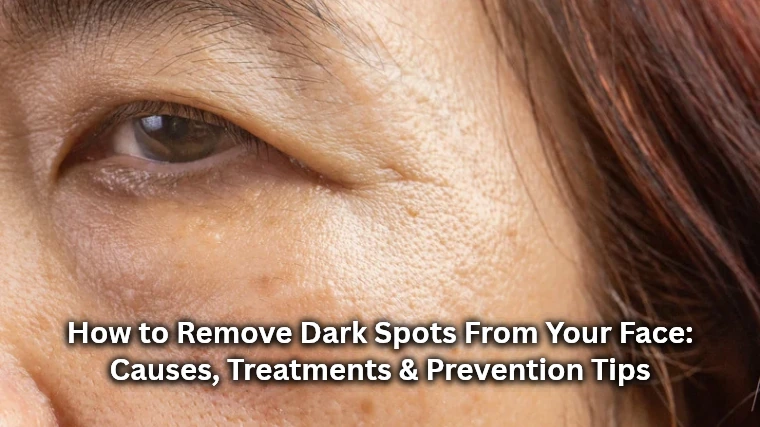
Dark spots can be an issue for many people and can create an uneven skin tone. These can be caused by acne, sun damage, hormonal changes or simply due to aging.
Whilst many types of dark spots can be improved with the right skincare routine, it is important to determine why they are appearing.
If you are battling with pigmentation on your face, then talking to Dr. Zainab Safderi, Dermatologist in Indore at Divine Skin Clinic, can help you understand your skin and the best treatments available.
Table of Contents
What Causes Dark Spots On Your Face?
Dark spots, or hyperpigmentation as they are often called, are caused when your skin produces excess melanin.
This can be caused by:
- Sun Damage – Excessive UV exposure causes melanin to increase.
- Acne Scars – The inflammation and pimples can cause scarring.
- Hormonal Fluctuations – Pregnancy, hormonal changes and some medication can cause Melasma.
- Skin Damage – Aggressive products, over-exfoliation and skin damage can cause pigmentation.
- Aging – Years of sun damage can cause age spots.
Understanding what is causing them will help you determine what treatment would work the best.
How to Remove Dark Spots From Your Face Naturally
Some skincare routines can help to stop pigmentation getting worse and will improve over time.
Apply Sunscreen Daily
Sun protection is one of the most important aspects of managing pigmentation.
Apply a broad spectrum SPF of 30 or above and re-apply every 2 hours outside. If sweating or swimming then re-apply.
If you have Melasma, then apply a tinted sunscreen with some Iron Oxides to give extra protection against visible light.
Gentle Skincare
Apply a gentle cleanser and moisturiser suiting your skin type. Avoid harsh scrubbing, squeezing pimples or any products that cause irritation.
Using the Right Ingredients
Using products such as Vitamin C, Niacinamide and Azelaic Acid can help with pigmentation. However, not all products will suit all skin types.
Avoid using Lemon Juice, Baking Soda or unknown DIY blends on your dark spots as this can cause irritation and make your pigmentation worse.
Top Dermatologist Treatments to Reduce Facial Dark Spots
If you are struggling with pigmentation then you may find more success with dermatological treatments.
Chemical Peel
Chemical peels use specially chosen exfoliating products to remove the top layer of skin. This can help to improve uneven pigmentation.
It may help with certain acne scars and shallow dark spots. Choose the correct type and strength of chemical peel depending on your skin sensitivity and depth of pigmentation.
Pigmentation Laser
Certain laser treatments can help to target pigmentation. They can help improve certain pigmentation.
However, not all types of dark spots will work with lasers. Some pigmentation such as Melasma can get worse with incorrect laser treatment.
Prescription Pigmentation Creams
Depending on your diagnosis, you may be prescribed Hydroquinone, Tretinoin or Azelaic Acid.
They will help to reduce pigmentation but must be used correctly. Do not use prescription strength creams without medical advice.
Combined Treatment
Some patients find combining topical treatment, sun protection and specialist treatments work best.
Dr. Zainab Safderi at Divine Skin Clinic Indore can assess your pigmentation and recommend the correct treatment based on your skin type and previous treatment.
How Long Will It Take to Remove Dark Spots?
This will depend on why they are there, how deep they are and how severe they are.
Shallow pigmentation can improve within a few weeks or months. However, some acne scars can take between 6-12 months to fade naturally. Deep pigmentation can take much longer.
Melasma can come back so sun protection is very important.
How to Avoid Pigmentation
As well as treating pigmentation it is important to avoid it.
- Apply sunscreen.
- Do not squeeze pimples.
- Treat acne and other inflammatory skin conditions.
- Use gentle products.
- Avoid using unnecessary bleaching creams and fairness products with steroids.
- Follow your dermatologists recommended maintenance.
- Be consistent as often pigmentation needs long term maintenance.
When Should I See A Dermatologist?
If you are noticing your dark spots spreading, getting darker, coming back frequently or not improving with skincare then it may be worth seeing a dermatologist.
If you notice a new dark spot which has changed quickly, bleeding, irregular edges or stands out compared to other dark spots then it is best to seek advice as soon as possible.
Conclusion: Professional Treatment For Dark Spots In Indore
There are various reasons that dark spots can develop on your skin. Knowing why they are appearing is the first step to successfully treating them. Applying sunscreen and using the right skincare products can help with lighter pigmentation. However, if you have dark spots then you may need professional treatment.
Dr. Zainab Safderi, Dermatologist & Cosmetologist at Divine Skin Clinic, Indore offers skin consultations to help you understand your pigmentation issues and choose the right treatment.
Book your consultation with Dr. Zainab Safderi, dermat in Indore at Divine Skin Clinic, Indore to discuss your individual treatments for dark spots, acne scars, melasma and uneven skin tone.